Old Fence Removal & Line Clearing in Columbia, MO
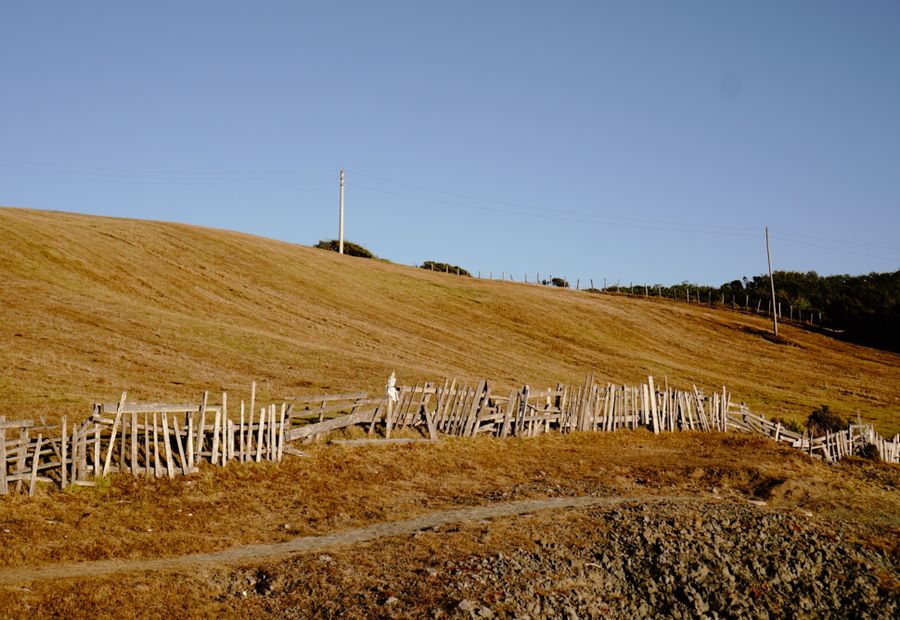
Columbia Farm Fence clears fence lines and removes old fence for landowners across Columbia, Ashland, Hallsville, Sturgeon, Harrisburg, Rocheport, and the farms of Boone, Callaway, Audrain, Howard, and Cooper counties, Missouri. Brush and tree clearing, eastern red cedar removal, old wire and post pulling, staking the new line, and hauling the material off the place.
Clearing is the first cost on most fence jobs and the cheapest one on the ticket. We run a skid steer with a grapple and a cutter down the row, roll old wire onto a spool instead of dragging it into a heap, and pull posts with a jack or a loader so the butt comes out with the post. Rotted wood posts snap at the ground line, because that is where air and water meet and where the wood goes first, so the stub has to come out too or the new auger will find it. Once the row is clean we shoot the line, stake it, and mark the corners and gate openings before a single hole gets drilled. Building over a buried old fence is the version that costs twice: once when the auger hits wire, and again when a cow finds a strand in the grass.
What the Ground Does to Old Fence
The two soils here fail an old fence in different ways, and reading which one you have tells us what we will find. In Missouri River bottom ground the fence usually went down in a flood. Wire packs with silt and drift, posts lean downstream, and whole runs sit buried in a draw. Upland claypan fails slower and from the top. Frost lifts shallow posts a little each winter, the clay shrinks away from them in a dry August, and the fence leans before it falls. Bottom work is a digging and hauling job. Upland work is a pulling job.
Staking the New Line
A cleared line is the right time to fix a fence that was never in the right place. We will hold the existing line, move it to a surveyed pin, or straighten a run that wanders around a stump that rotted out years ago. Where the boundary itself is in question, that is a survey question, and we tell you so before we set posts on it.
Schedule Clearing
Clearing goes best when the ground is firm and the leaves are off. Call (573) 555-0157 to get on the list.
Can you build a new fence right over the old one?
You can, and it costs more in the long run than clearing did. Old wire buried in the sod catches an auger, wraps a mower, and finds a hoof. Old posts sit where the new ones should go, so the new line ends up crooked around them. We pull the old fence, then set the new line where it belongs. The one exception is a temporary hot wire inside an old boundary to hold stock while the new fence goes up.
What happens to the old wire and posts?
Rolled wire goes to a scrap yard, which offsets part of the cost. Steel T-posts pull and either get reused on interior fence or go to scrap with the wire. Wood posts and any wire too rusted to roll get hauled off. We do not leave a pile of wire in the fence row for you to deal with, because that pile is the thing that ends up in a tractor tire two years later.
Why does the fence line have so much cedar?
Because nothing has grazed or burned it. Eastern red cedar seeds into an unmowed fence row first, grows fast, and shades out the grass under it. Once cedars are in the line they push the wire, hide the posts, and give every other woody plant a start. Clearing the row and keeping it mowed is what stops it from coming back within a few years.
How wide does the cleared line need to be?
Wide enough to drive and to mow, which usually means ten to fifteen feet total with the fence sitting near the middle or on the property side. Narrower than that and you cannot keep it clear afterward. Where the line runs under a tree canopy we take the overhanging limbs too, because a limb that drops in an ice storm takes the fence with it.