Pipe Fence & Corrals in Columbia, MO
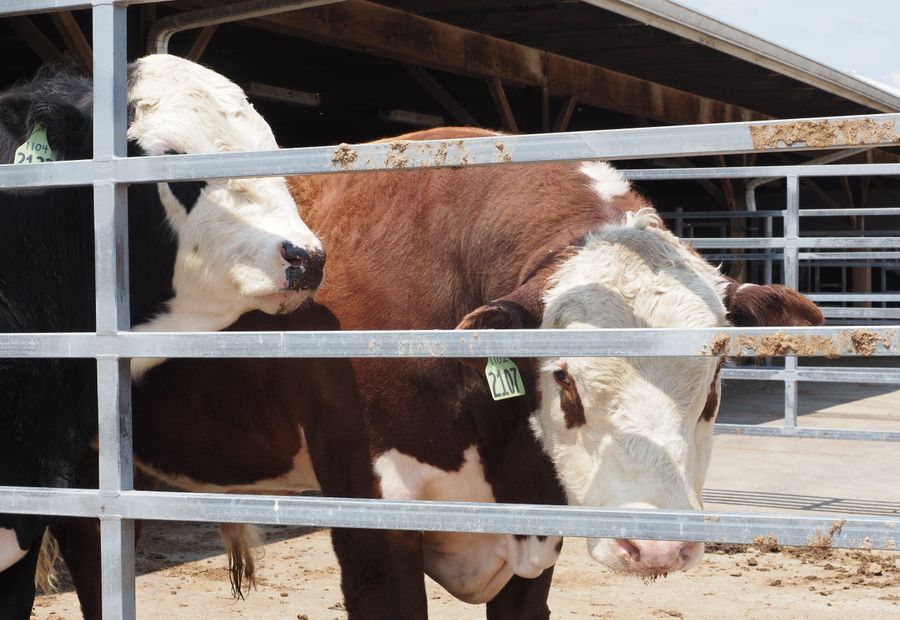
Columbia Farm Fence builds welded pipe fence, continuous rail, corrals, and cattle working pens for cow-calf operations, backgrounding lots, and horse places across Columbia, Ashland, Centralia, Harrisburg, Fulton, New Franklin, and the farm ground of Boone, Callaway, Howard, and Cooper counties, Missouri. We lay out the pen system as well as build it, so the cattle flow the way you need them to on sorting day.
Pipe holds where wood gives. We weld continuous rail and pipe fence in new tube or sorted used oilfield pipe and sucker rod, then finish with Priefert or Powder River panels, gates, chutes, and headgates where a bolt-together component beats a weld. Pipe posts go in augered holes on a concrete footing set below the frost line, which for mid-Missouri means a good two and a half to three feet before you start. Steel does not rot at the collar the way a wood post does, so concrete is the right answer here and the wrong answer around treated pine. Rails weld to the post, not to each other across a gap, and corner posts in a pen get a diagonal kicker back into the line. A pen built from panels wired to driven T-posts moves the first time a cow hits it in the corner.
Footings on Bottom and Upland Ground
The two soils in Boone County ask for different footings. River bottom alluvium is deep and soft with no rock to bear on, so pipe footings there go wider and deeper and we bell the bottom of the hole to keep a loaded post from working. Upland claypan is stiff and carries a footing well, but it holds water at the textural break under the topsoil, so we keep the footing top slightly proud of grade and slope it away rather than let a puddle sit around the post. Wet claypan also augers badly, and a hole drilled in the mud glazes over, which is why we hold pen work for dry weather.
Laying Out a Working Pen
A corral is a traffic problem before it is a welding problem. We size the holding pen to the herd, run the crowding area into a curved or solid sided alley, and put the headgate where the operator has light and footing. Sort gates go where a person can reach them without climbing. Man passes go in every pen.
Talk It Through
Send us a sketch or walk the ground with us. Call (573) 555-0157.
Where does concrete belong and where does it not?
Under steel, yes. Around treated wood, no. A steel pipe post does not rot, so setting it in a concrete footing gives you the stiffness a corral needs where cattle hit the rail. A wood post set the same way holds water against the grain at the ground line and rots there while the buried end still looks new. That is the one place in fence building where the two materials take opposite treatment.
Is used oilfield pipe or sucker rod worth buying?
It can be, and it is why a lot of pipe corrals get built. Used pipe costs less than new tube and it is heavier wall than most of what you would buy new. The catches are that it comes in random lengths, it often carries scale or old coating that has to come off before welding, and wall thickness varies from joint to joint. We sort it before it goes in a pen rather than after.
How wide should a working alley be?
Narrow enough that a cow cannot turn around. Roughly twenty six to thirty inches for mature cows, and a sloped or adjustable alley handles calves and cows on the same pass. Too wide and an animal turns and jams the whole line. The crowding tub or pen feeding the alley wants a curve or a solid side so the cattle follow each other instead of watching you.
Pipe or wood for a corral?
Pipe, for anything that gets used hard. A corral takes point loads from animals hitting it, and welded steel spreads that load through the whole panel instead of into one fastener. Wood corrals work and they look right on a horse place, but they need repairs where pipe does not. Most of what we build here is pipe in the working pens and wood or wire everywhere else.